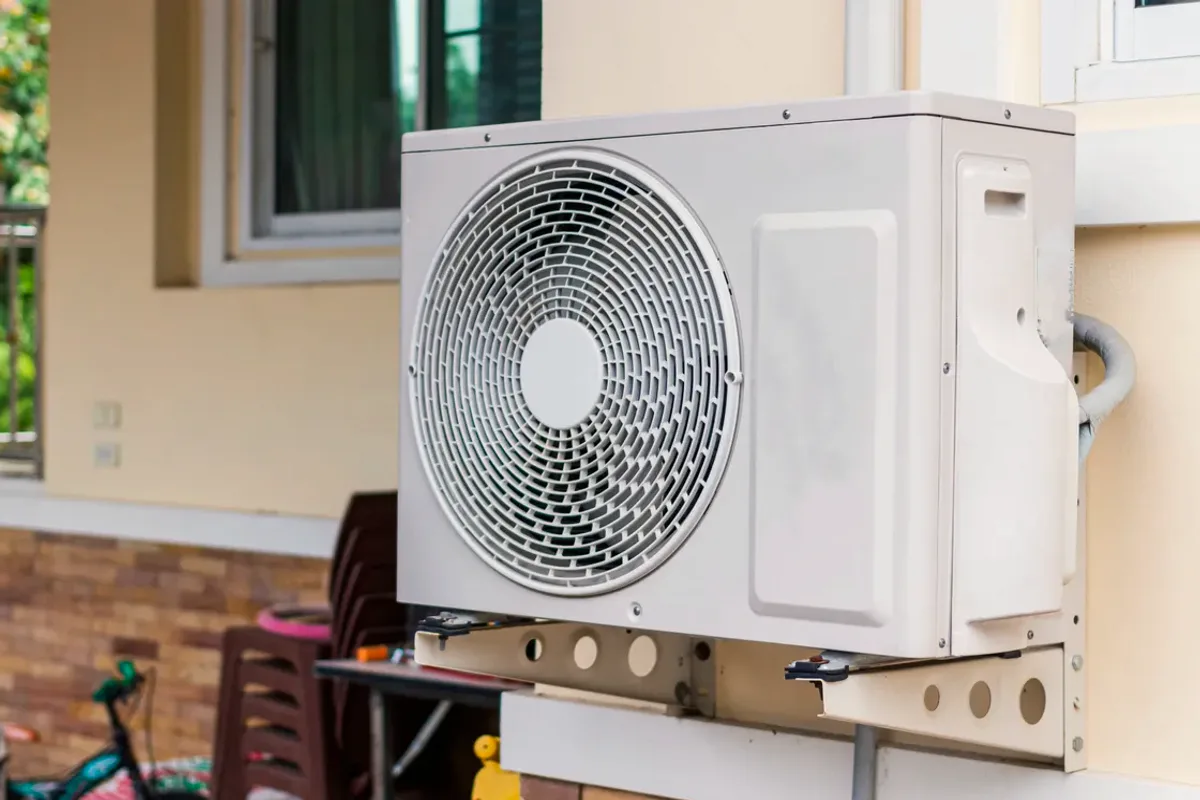
Request heat pump repair & installation for a property in Stratford. Include the equipment, the problem or planned work, and your location so the request can be reviewed.
How can a homeowner tell whether a heat pump needs repair or replacement assessment?
Heat-pump service can involve either diagnosing a current fault or planning a new installation, and those are separate decisions. Noisy operation, uneven heating or cooling, or a system that does not respond can involve sensors, defrost controls, airflow, or the refrigerant circuit. Installation planning instead considers the building, existing distribution, electrical supply, controls, and equipment capacity. Inspection results and service records help determine whether repair remains reasonable or replacement should be compared.
Record whether the problem occurs in heating, cooling, or both, and note any fault display, change in airflow, or prior repair. A service assessment can check sensors, defrost controls, electrical components, and refrigerant-circuit operation against the unit specifications. For replacement planning, inspect the existing system and distribution so equipment selection reflects actual site conditions and control compatibility.
Defrost boards, sensors, controls, airflow, and refrigerant-circuit diagnosis.
Heat-pump installation planning, electrical supply, distribution, and controls.
Manufacturer-directed maintenance versus repair and replacement decisions.
Assessment and Scope
Questions for the Proposed Work
01
Trace operating symptoms to the right component
A heat pump that struggles in heating may require assessment of defrost operation, sensors, controls, airflow, and refrigerant-circuit conditions. These checks are distinct from diagnosing a cooling complaint or a noise, and symptoms alone do not identify a failed part. The equipment’s operating data and fault history help determine whether the issue is a repairable component problem or a condition that calls for wider evaluation.
02
Plan installation around the existing system
A replacement assessment should document the existing heat pump, electrical supply, indoor air distribution, controls, and any auxiliary heating equipment already present. These details affect equipment compatibility and the installation scope. A new unit should be selected for the building and intended heating and cooling requirements, rather than chosen from a general efficiency label or a rule based only on the number of past repairs.
03
Keep maintenance distinct from fault repair
Maintenance should follow the manufacturer’s instructions and inspection findings, with attention to the components relevant to the particular model, including filters, coils, drainage, controls, and defrost operation. A scheduled inspection cannot resolve a confirmed electrical or refrigerant fault by itself. Use documented findings to distinguish a maintenance need from a repair, and compare replacement only when system condition and repair history support that discussion.
Compare the next step
Ask how outdoor placement supports year-round airflow, drainage, and inspection without obstructing service routes. Include landscaping and anticipated storage changes in that discussion. Inside, check access to filters, controls, and backup equipment so a new heat-pump installation does not make retained appliances harder to maintain.
Cold-climate capability does not prove that one model covers every home heating load. Ask how the selected equipment and supplementary heat meet the actual design requirements.