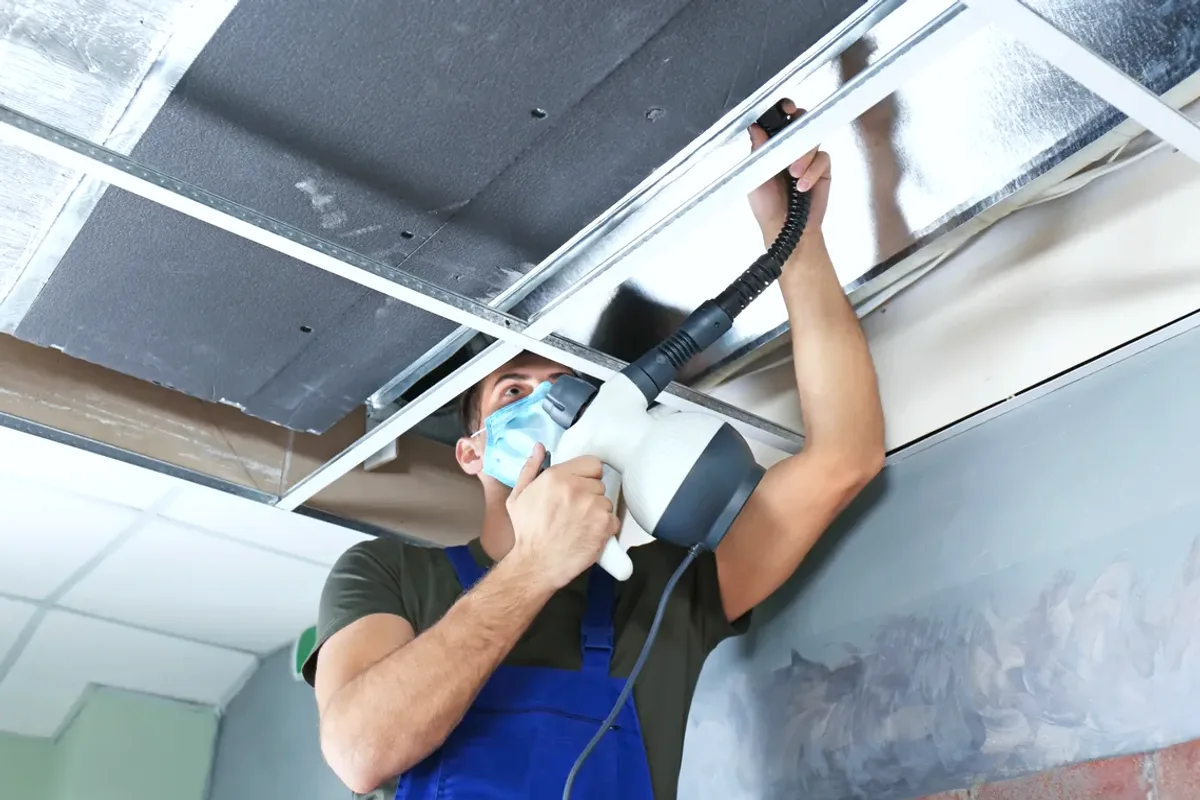
Request duct cleaning for a property in Stratford. Include the equipment, the problem or planned work, and your location so the request can be reviewed.
What evidence helps determine whether duct cleaning is appropriate?
Duct cleaning is a targeted service, not a routine substitute for diagnosing weak airflow or cleaning equipment filters. Renovation dust, visible debris, or a specific blockage may justify inspecting the affected ductwork and related components. The inspection should establish where material is present, how extensive it is, and whether the air handler or registers are part of the scope. Cleaning methods and access depend on the duct system and the findings, not on a fixed schedule.
Describe the concern, such as visible debris, renovation work, a suspected blockage, or a change in airflow, and identify the affected rooms. An inspection should confirm whether and where debris is present and whether it extends into accessible duct sections or related components. This evidence defines the cleaning scope; airflow problems may have another cause and should not be assumed to require duct cleaning.
Renovation debris, visible buildup, and evidence-based inspection.
Duct access, affected sections, registers, and related components.
Distinguishing duct cleaning from airflow and HVAC equipment diagnosis.
Assessment and Scope
Questions for the Proposed Work
01
Use inspection findings to establish need
Visible material, construction debris, or an identified obstruction can support a focused inspection and cleaning plan. A camera view or access inspection should be interpreted in context, including the location and extent of the material, rather than treated as proof that every duct needs cleaning. If no relevant buildup is found, the findings may point toward another explanation for dust or airflow concerns.
02
Define the ductwork and components included
Duct layout, access points, material, and the location of debris determine which sections can be inspected and what cleaning method is appropriate. The scope may include registers or accessible air-distribution components when inspection supports it, but should not automatically expand to the entire HVAC system. A written description of affected areas helps distinguish duct cleaning from separate work on a blower, coil, or filter.
03
Separate cleaning from airflow diagnosis
Weak airflow can result from a filter, blower, coil, closed damper, or duct restriction, so cleaning should follow evidence that debris in the ductwork is relevant. Where a room remains poorly served after inspection, the airflow cause may need separate diagnosis. Cleaning intervals should not be set by a universal calendar; manufacturer instructions and actual inspection findings determine whether further maintenance is warranted.
Compare the next step
Ask which sections can be reached, which access openings are proposed, and how those openings will be closed. Describe furniture, finishes, and storage that could affect the work. A complete cleaning scope should identify feasible access and property protection instead of assuming every duct can be reached from a room register.
Routine cleaning is not automatically necessary and does not guarantee health or energy benefits. Resolve moisture sources and assess damaged materials rather than treating cleaning as the only remedy.