
Share the property details
Send the location, equipment, symptoms or planned changes, and who can approve the work. Existing labels and service records help define the request.
Now part of the
 family
Need help with heating or cooling in Stratford? Describe the repair, installation or maintenance you need. Confirm service availability, pricing and appointments with the provider before booking.
Are the proposals based on the same equipment, property and intended result?
Compare the exact equipment and design assumptions, the work included or excluded, and the assessment, price and completion terms. A headline equipment price alone does not describe an installed system.
View heat pump repair & installation services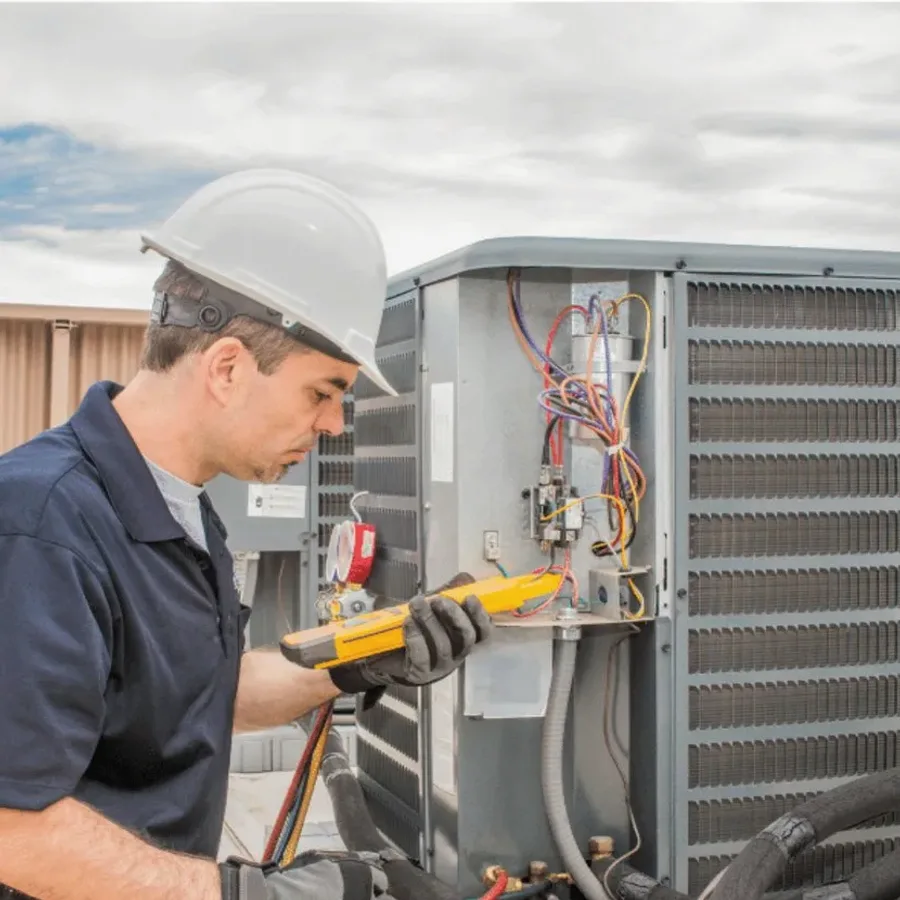
Describe the work first, then confirm the people, timing, and terms before making a commitment.
Send the location, equipment, symptoms or planned changes, and who can approve the work. Existing labels and service records help define the request.
The enquiry team reviews the request and shares it with a relevant service provider for follow-up using your contact details. Confirm contractor coverage, qualifications and how the property will be assessed before agreeing to an appointment.
Ask which findings support the work, what is included or excluded, and how completion will be checked. Agree on pricing and terms with the contractor.
Start with the installed equipment and its manufacturer instructions. Maintenance needs depend on the appliance and its use. Keep service records and ask a qualified contractor which seasonal inspections apply.
When requesting work for a property in Stratford or nearby Mitchell, Seaforth and Goderich, ask how outdoor placement supports year-round airflow, drainage, and inspection without obstructing service routes. Include landscaping and anticipated storage changes in that discussion. Inside, check access to filters, controls, and backup equipment so a new heat-pump installation does not make retained appliances harder to maintain.
Record whether the problem occurs in heating, cooling, or both, and note any fault display, change in airflow, or prior repair. A service assessment can check sensors, defrost controls, electrical components, and refrigerant-circuit operation against the unit specifications. For replacement planning, inspect the existing system and distribution so equipment selection reflects actual site conditions and control compatibility.
A heat pump that struggles in heating may require assessment of defrost operation, sensors, controls, airflow, and refrigerant-circuit conditions. These checks are distinct from diagnosing a cooling complaint or a noise, and symptoms alone do not identify a failed part. The equipment’s operating data and fault history help determine whether the issue is a repairable component problem or a condition that calls for wider evaluation.
A replacement assessment should document the existing heat pump, electrical supply, indoor air distribution, controls, and any auxiliary heating equipment already present. These details affect equipment compatibility and the installation scope. A new unit should be selected for the building and intended heating and cooling requirements, rather than chosen from a general efficiency label or a rule based only on the number of past repairs.
Maintenance should follow the manufacturer’s instructions and inspection findings, with attention to the components relevant to the particular model, including filters, coils, drainage, controls, and defrost operation. A scheduled inspection cannot resolve a confirmed electrical or refrigerant fault by itself. Use documented findings to distinguish a maintenance need from a repair, and compare replacement only when system condition and repair history support that discussion.
Share the property location and the work you need so the request can be reviewed.