Request furnace repair for a property in Stratford. Include the equipment, the problem or planned work, and your location so the request can be reviewed.
What should be checked when a furnace will not start or heat evenly?
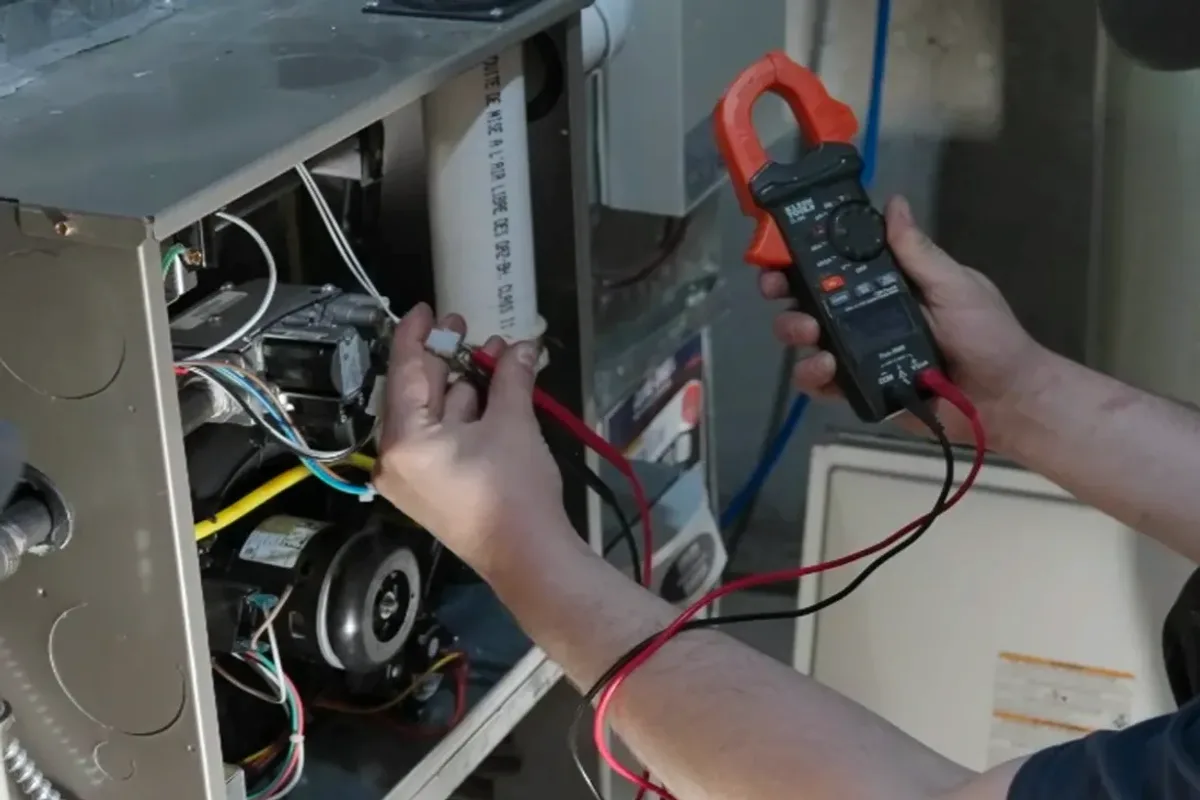
A furnace that will not start, produces uneven heat, or makes an unfamiliar sound needs diagnosis based on its fuel, design, and observed symptoms. For a gas furnace, the ignition sequence and gas supply are distinct from airflow or control faults; an older pilot-light model also differs from a modern electronically ignited unit. Repair guidance should identify the fault before parts are selected, and should distinguish a serviceable component from evidence that replacement deserves consideration.
Record when the problem occurs, which rooms are affected, and any displayed fault code or unusual sound. A service assessment can compare the thermostat call, ignition sequence, airflow, and safety-control response with the furnace’s design. Inspection of the heat exchanger and fuel-related components requires appropriate service procedures, not homeowner testing.
Ignition sequence, gas-fired components, and heat-exchanger inspection.
Furnace airflow, filters, burners, thermostats, and condition-based maintenance.
Single-stage and high-efficiency furnace replacement and duct compatibility.
Assessment and Scope
Questions for the Proposed Work
01
Separate ignition faults from heating faults
A furnace that does not light may have a fault in its ignition sequence, while a furnace that lights but shuts down can point to a different control or safety response. The distinction matters because replacing a suspected part without checking the sequence can miss the cause. For a pilot-light model, describe any change you notice in the flame, but leave burner and fuel adjustments to a qualified service professional.
02
Check service history and operating conditions
Maintenance findings should be based on the furnace manufacturer’s instructions and inspection results. A service review can consider filter condition, airflow, burners, thermostat operation, and safety controls, while investigating whether a reported noise or uneven heat is tied to the furnace or distribution system. Keep notes about recent symptoms and previous repairs; these help separate a developing fault from a maintenance task.
03
Compare repair with replacement on evidence
An older single-stage furnace connected to oversized ductwork presents different replacement questions from a newer high-efficiency model designed for staged operation. Before deciding, compare the confirmed fault, condition of major components, repair history, and compatibility with the existing ducts and controls. Repair may be appropriate when the fault is isolated; broader deterioration or incompatible replacement requirements may change the installation scope.
Compare the next step
Show the service route and any enclosure around the appliance before a repair visit. Ask what access must remain for routine filter care and professional assessment, and whether planned storage or cabinetry conflicts with it. The finished arrangement should support future inspection instead of addressing only the current repair.
Leave burner, fuel, venting, electrical, and internal equipment work to a qualified contractor. Do not bypass a safety switch or repeatedly reset a furnace.