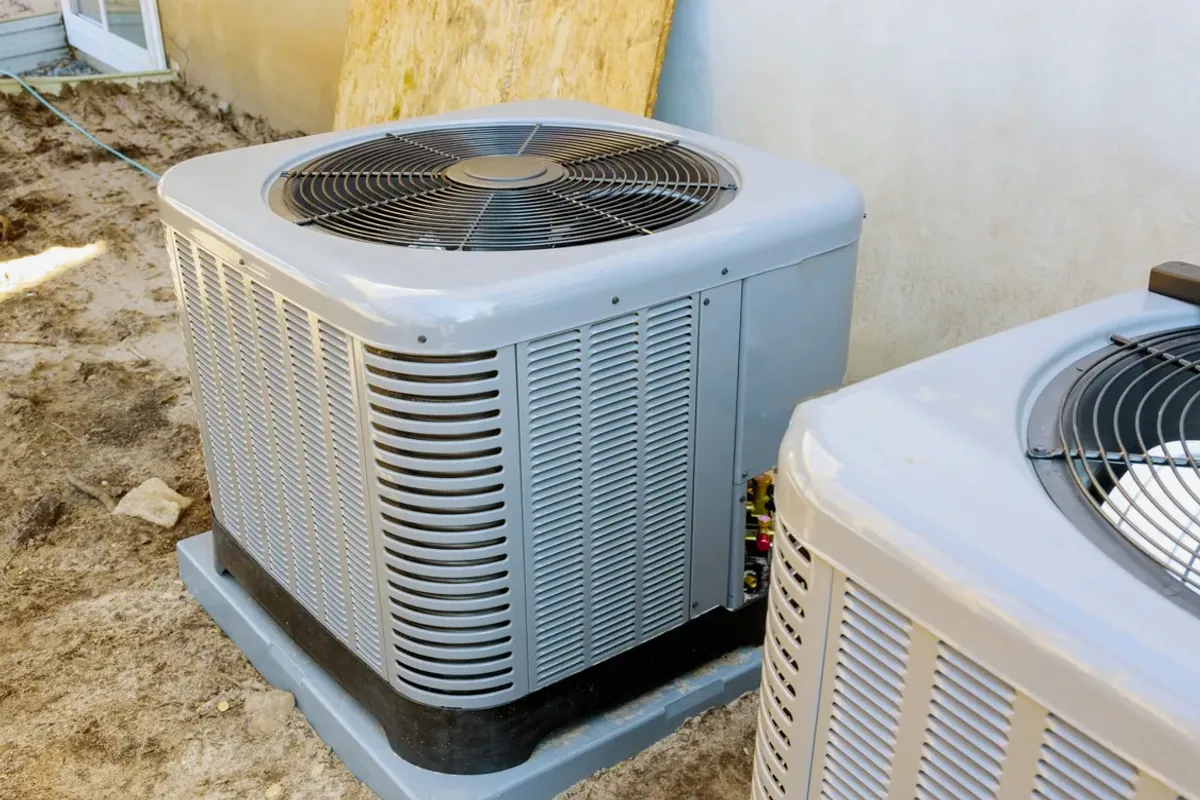
How can the cause of an air conditioner that blows warm air be assessed?
An air conditioner that runs without cooling, blows warm air, or makes an unfamiliar noise needs diagnosis suited to its equipment type. A central system moves conditioned air through ducts, while a ductless mini-split uses indoor and outdoor units with separate airflow paths. Capacitor or control faults, restricted airflow, and refrigerant-circuit problems require different checks. Findings should guide whether a repair is appropriate or whether the condition and repair history warrant comparing replacement options.
Note whether the system starts, whether indoor airflow has changed, and whether the issue affects all rooms or only one ductless zone. An assessment can compare controls, airflow, electrical components, coils, and refrigerant-circuit readings with the equipment specifications. Refrigerant and internal electrical work require qualified service procedures; observations alone do not establish which component has failed.
Central air and ductless mini-split symptom diagnosis.
Airflow, coils, electrical components, controls, and refrigerant-circuit inspection.
Evidence-based repair or replacement decisions for existing cooling equipment.
Assessment and Scope
Questions for the Proposed Work
01
Distinguish airflow faults from component faults
Weak airflow may point toward a filter, coil, blower, or duct restriction, while a system that will not start can involve a control or electrical component such as a capacitor. These possibilities should be tested rather than inferred from a warm-air complaint alone. Central systems and ductless units have different air paths, so the location of the symptom helps identify which equipment and components need inspection.
02
Use inspection findings to guide maintenance
Inspection can establish whether coils, filters, drainage, airflow, and controls need attention under the manufacturer’s maintenance instructions. Refrigerant-circuit measurements may be relevant when performance findings indicate a sealed-system concern, but a reading should be interpreted alongside the equipment’s condition and operating data. Maintenance is not a substitute for repairing a confirmed fault, and chemical treatments or refrigerant adjustments should not be assumed necessary.
03
Compare repair and replacement decisions
A repair assessment should identify the failed part, the condition of related components, and whether the equipment remains compatible with the existing ducts or indoor units. If a major component has failed or repairs have accumulated, compare the proposed repair with a replacement scope that includes equipment compatibility and installation requirements. The comparison should use inspection findings and documented repair history, not a blanket rule based on age or one symptom.
Compare the next step
Explain how the contractor reaches the indoor coil, drain, and outdoor unit and whether equipment removal would affect finishes. Ask what access changes are necessary for the proposed work and how those changes are restored. Retain a maintainable route when landscaping or mechanical-room work is completed.
Do not open electrical panels or handle refrigerant. If ice, water near electrical equipment, or abnormal operation is present, stop using the affected system and request an assessment.